
The Powder Packing Machine plays a central role in modern detergent production lines, ensuring efficiency, accuracy, and hygiene in packaging powdered products.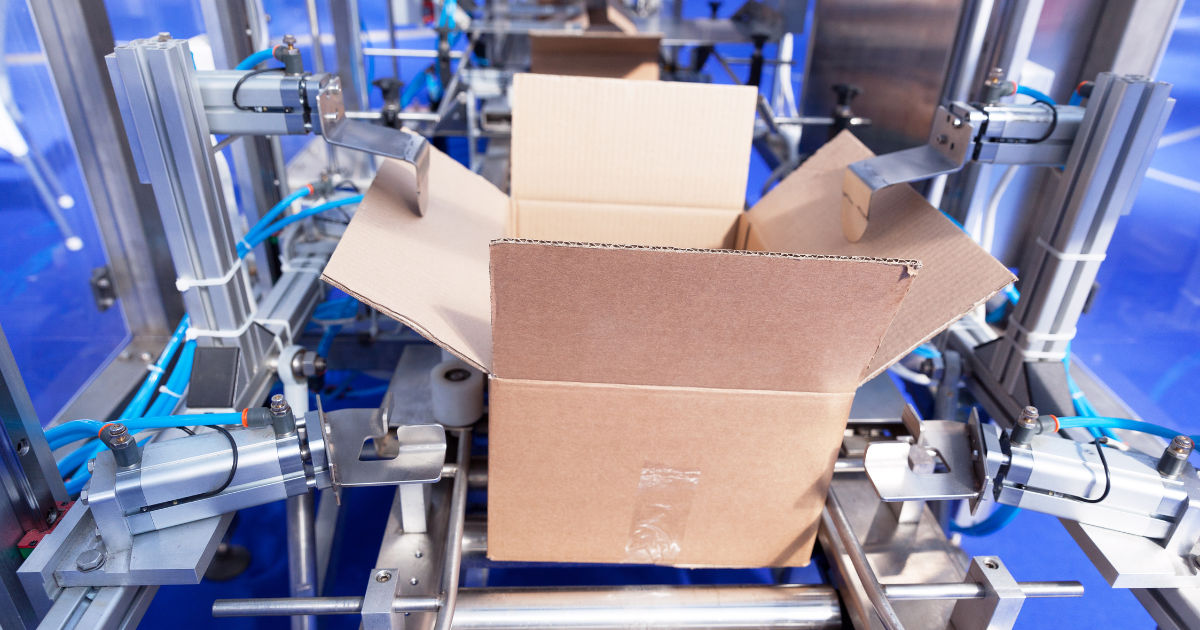
A Powder Packing Machine is widely used in industries that deal with detergent powder, as it automates the filling and sealing process. Understanding how a Powder Packing Machine works helps students and beginners learn about industrial automation and manufacturing systems.
In this article, we will explore how a detergent powder machine functions, its components, working stages, benefits, and real-world applications in detail.
A detergent powder production system is incomplete without a Powder Packing Machine, because it ensures that each packet is filled with the correct quantity and sealed properly. The importance of a Powder Packing Machine continues to grow as demand for packaged detergent increases globally.
What is a Detergent Powder Machine?
A detergent powder machine is an industrial setup used to manufacture, process, and pack detergent powder into bags or pouches. At the final stage, a Powder Packing Machine takes over to complete the packaging process.
The system includes mixing units, conveyors, storage silos, and the Powder Packing Machine. Each section works together to produce consistent quality detergent powder. Without a Powder Packing Machine, the process would be slow, inaccurate, and labor-intensive.
The main goal of a Powder Packing Machine is to ensure fast and precise packaging while maintaining hygiene and reducing human error.
Working Principle of a Detergent Powder Machine
The working principle of a detergent powder machine is based on automation, weight measurement, and controlled flow of powder materials. A Powder Packing Machine operates using sensors, motors, and programmable logic controllers (PLC).
First, detergent powder is prepared in mixing tanks. Then it is transferred to storage hoppers connected to the Powder Packing Machine. The machine measures the correct amount of powder and fills it into packaging bags.
A Powder Packing Machine ensures each packet has equal weight, reducing wastage and improving consistency. The sealing unit of the Powder Packing Machine then closes the bags securely.
Key Components of a Powder Packing Machine
A modern Powder Packing Machine consists of several important components that work together smoothly.
Feeding Hopper
The feeding hopper stores detergent powder before it enters the packaging system. A Powder Packing Machine relies on this part for continuous supply.
Weighing System
The weighing system ensures accurate measurement. Every Powder Packing Machine uses load cells or sensors to control filling weight.
Filling Mechanism
This mechanism transfers powder into bags. A Powder Packing Machine uses auger fillers or volumetric fillers for this purpose.
Sealing Unit
The sealing unit closes the package using heat or pressure. A Powder Packing Machine ensures airtight sealing to protect the detergent.
Control Panel
The control system manages the entire process. A Powder Packing Machine is usually operated using PLC systems for precision.
How a Detergent Powder Machine Functions Step by Step
The functioning of a detergent powder system is systematic and automated. A Powder Packing Machine plays a key role in the final stage.
Step 1: Powder Preparation
Raw materials are mixed in large mixers to create detergent powder. Once ready, it is stored in silos connected to the Powder Packing Machine.
Step 2: Powder Feeding
The powder flows into the hopper of the Powder Packing Machine. This ensures a continuous supply for packaging.
Step 3: Weight Measurement
Sensors inside the Powder Packing Machine measure the correct quantity for each packet.
Step 4: Filling Process
The Powder Packing Machine fills detergent powder into bags with high precision.
Step 5: Sealing and Cutting
After filling, the Powder Packing Machine seals and cuts the packets into individual units.
Step 6: Output Collection
Finished packets are collected and prepared for distribution.
Each step is carefully controlled by the Powder Packing Machine to ensure quality and accuracy.
Types of Powder Packing Machines
There are different types of systems used in detergent packaging. Each Powder Packing Machine type serves specific industrial needs.
Vertical Form Fill Seal Machine
This is the most common Powder Packing Machine, where packaging is formed vertically.
Semi-Automatic Machine
A semi-automatic Powder Packing Machine requires some human involvement.
Fully Automatic Machine
A fully automatic Powder Packing Machine handles everything from filling to sealing without manual help.
Auger Filling Machine
This Powder Packing Machine uses a screw mechanism for precise filling of fine powders.
Importance of Powder Packing Machine in Industry
The detergent industry depends heavily on the Powder Packing Machine for mass production. It ensures speed, accuracy, and consistency.
A Powder Packing Machine reduces labor costs and increases production efficiency. It also improves hygiene by minimizing human contact with detergent powder.
Another important benefit of a Powder Packing Machine is uniform packaging, which improves brand reliability in the market.
Advantages of Using a Powder Packing Machine
A Powder Packing Machine offers many advantages to manufacturers.
High Efficiency
A Powder Packing Machine can pack thousands of packets per hour.
Accuracy
Every Powder Packing Machine ensures correct weight measurement.
Cost Reduction
Using a Powder Packing Machine reduces manual labor expenses.
Hygiene and Safety
A Powder Packing Machine minimizes contamination risks.
Consistency
A Powder Packing Machine delivers uniform packaging every time.
Industrial Applications
The detergent industry is the primary user of the Powder Packing Machine, but it is also used in other sectors.
Detergent Industry
The most common application of a Powder Packing Machine.
Food Industry
A Powder Packing Machine is used for flour, spices, and milk powder.
Chemical Industry
Used for packing powdered chemicals safely.
Pharmaceutical Industry
A Powder Packing Machine helps in packaging medicinal powders.
Maintenance of Powder Packing Machine
Proper maintenance is necessary for long-term use of a Powder Packing Machine.
Regular cleaning ensures smooth operation of the Powder Packing Machine. Lubrication of moving parts keeps the Powder Packing Machine efficient.
Operators should inspect sensors and seals frequently. A well-maintained Powder Packing Machine lasts longer and performs better.
Common Problems and Solutions
Even a modern Powder Packing Machine can face issues.
Inaccurate Filling
This may happen due to sensor misalignment in the Powder Packing Machine.
Blockage in Hopper
Powder buildup can slow down the Powder Packing Machine.
Sealing Issues
Faulty heating elements may affect the Powder Packing Machine sealing process.
Regular servicing helps avoid these issues in a Powder Packing Machine.
Future of Powder Packing Technology
The future of the Powder Packing Machine is moving toward smart automation and AI integration.
Modern Powder Packing Machine systems will use IoT for real-time monitoring. Robotics will improve efficiency in the Powder Packing Machine process.
Energy-efficient designs will also make the Powder Packing Machine more sustainable.
Conclusion
A detergent powder machine is a highly advanced system that improves production efficiency and packaging accuracy. The Powder Packing Machine is the most important part of this system, ensuring that detergent powder is packed correctly, safely, and efficiently.
From mixing to sealing, every stage depends on the performance of the Powder Packing Machine. Its role in modern industry cannot be ignored, as it supports large-scale production and consistent product quality.
As technology advances, the Powder Packing Machine will become even more intelligent and efficient, helping industries meet growing global demand.
In summary, understanding the working of a detergent powder system gives us insight into industrial automation, and the Powder Packing Machine remains the backbone of this entire process.