
In today’s digital world, information is everywhere. We capture notes on our phones, take screenshots of important messages, and photograph documents for later use. But images alone are not editable or searchable. This is where Pic to Text technology becomes powerful and practical.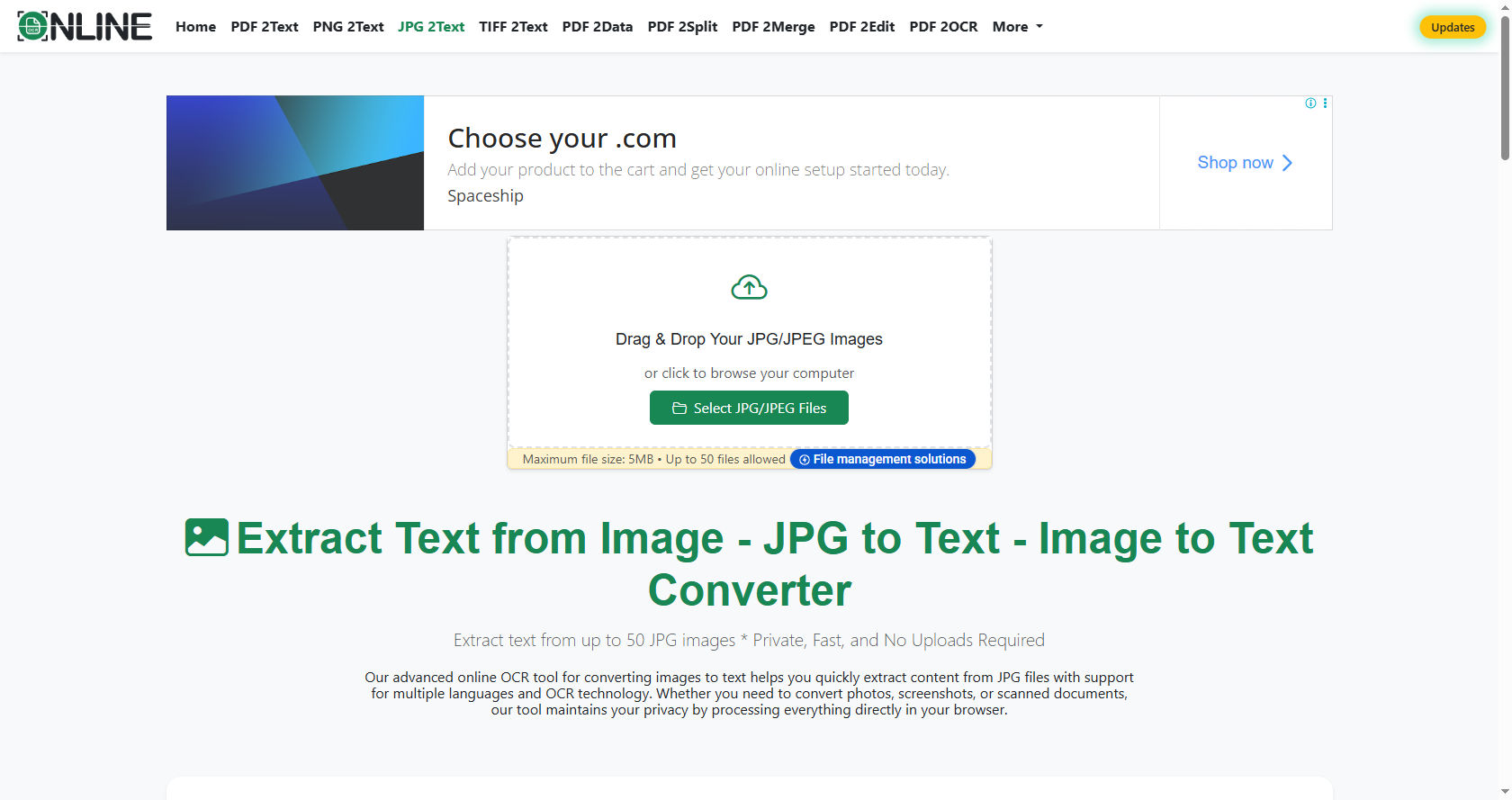
A Smart Pic to Text converter is a tool that extracts written content from images and transforms it into editable digital text. Instead of typing everything manually, users can upload a picture and instantly convert the words in that image into text format.
The idea behind Pic to Text is simple but revolutionary. It saves time, reduces errors, and improves productivity. Whether you are a student, teacher, office worker, or business owner, this technology makes handling information easier and faster.
In this comprehensive guide, you will learn what a Smart Pic to Text converter is, how it works, its benefits, features, real-world uses, limitations, and how to choose the best one.
By the end, you will clearly understand why Pic to Text tools are becoming essential in modern life.
Understanding the Basics of Pic to Text Technology
At its core, Pic to Text technology uses Optical Character Recognition, also known as OCR. OCR is a system that identifies letters and numbers within an image and converts them into machine-readable text.
When you upload an image into a Pic to Text converter, the system analyzes patterns of light and dark pixels. It recognizes shapes that match letters, words, and sentences. Then it converts those shapes into actual text that you can copy, edit, and share.
A Smart Pic to Text converter goes beyond basic OCR. It uses artificial intelligence and machine learning to improve accuracy. It can recognize different fonts, handwriting styles, and even multiple languages.
This means Pic to Text tools are not just simple scanners. They are intelligent systems designed to understand and interpret visual data.
How Does a Smart Pic to Text Converter Work?
Understanding how Pic to Text works helps you appreciate its value. The process usually follows several important steps.
Image Upload
First, the user uploads a photo. This could be a picture of handwritten notes, a printed document, a receipt, a textbook page, or even a signboard.
The Pic to Text tool accepts common image formats such as JPG, PNG, or PDF files.
Image Processing
Next, the system enhances the image. It may adjust brightness, contrast, and sharpness. This step improves recognition accuracy.
A Smart Pic to Text converter can remove noise, fix skewed angles, and sharpen blurry images before analyzing the text.
Text Recognition
After processing the image, the OCR engine scans it line by line. It detects letters and compares them to stored character patterns in its database.
Advanced Pic to Text tools use AI to recognize context. For example, they can detect whether a word belongs in a sentence based on grammar rules.
Text Conversion and Output
Finally, the extracted content appears as editable text. Users can copy, download, or edit the result.
This seamless process makes Pic to Text converters incredibly efficient and user-friendly.
Key Features of a Smart Pic to Text Converter
Modern Pic to Text tools come with advanced features that improve performance and user experience.
High Accuracy
A Smart Pic to Text converter offers high recognition accuracy, even with complex fonts or slightly unclear images.
Handwriting Recognition
Older OCR systems struggled with handwriting. Today, AI-powered Pic to Text tools can recognize neat handwritten notes with impressive precision.
Multi-Language Support
Many Pic to Text converters support multiple languages. This makes them useful for global users.
Batch Processing
Some advanced Pic to Text platforms allow users to upload multiple images at once and convert them together.
Cloud-Based Access
Online Pic to Text tools allow access from any device with internet connectivity. There is no need to install heavy software.
Secure Data Handling
Smart Pic to Text services often include encryption and automatic deletion features to protect sensitive documents.
Benefits of Using a Pic to Text Converter
There are many advantages to using a Smart Pic to Text converter.
Saves Time
Typing long documents manually takes hours. Pic to Text reduces that time to seconds.
Improves Productivity
Students can convert textbook pages. Office workers can digitize reports. Businesses can process invoices quickly. Pic to Text increases efficiency across industries.
Reduces Errors
Manual typing can lead to mistakes. A reliable Pic to Text converter minimizes spelling and formatting errors.
Makes Content Searchable
Once converted, text becomes searchable. You can find keywords instantly instead of scanning through images.
Enhances Accessibility
Visually impaired users can convert images into text and use screen readers. Pic to Text supports inclusive technology.
Real-World Applications of Pic to Text
The use of Pic to Text technology is expanding rapidly.
Education
Students use Pic to Text to digitize handwritten notes and textbook pages. Teachers convert printed materials into editable formats.
Business and Office Work
Companies rely on Pic to Text to scan contracts, invoices, receipts, and reports. This improves digital record management.
Healthcare
Hospitals use Pic to Text tools to digitize patient forms and medical reports.
Legal Industry
Law firms use Pic to Text to convert printed case files into searchable documents.
Personal Use
Individuals use Pic to Text for extracting quotes, recipes, or important details from images.
Smart Pic to Text vs Traditional OCR
There is a difference between basic OCR and a Smart Pic to Text converter.
Traditional OCR systems are rule-based. They follow fixed character patterns. If the image quality is poor, they often fail.
A Smart Pic to Text system uses AI and machine learning. It learns from millions of samples. It understands context, spacing, and structure.
Because of this, modern Pic to Text tools are faster and more accurate than older systems.
Challenges and Limitations of Pic to Text Technology
Although Pic to Text is powerful, it is not perfect.
Poor Image Quality
Blurry or dark images reduce recognition accuracy. Even the best Pic to Text converter may struggle with extremely unclear photos.
Complex Layouts
Magazines, brochures, and multi-column documents can confuse some Pic to Text tools.
Handwriting Variations
While AI has improved handwriting recognition, messy handwriting can still cause errors.
Language and Font Issues
Rare fonts or mixed languages may reduce Pic to Text accuracy.
Understanding these limitations helps users set realistic expectations.
How to Choose the Best Smart Pic to Text Converter
Choosing the right Pic to Text tool depends on your needs.
Check Accuracy Rates
Look for tools with high recognition accuracy.
Test Ease of Use
A good Pic to Text interface should be simple and user-friendly.
Evaluate Security Features
If you handle sensitive data, ensure the Pic to Text service protects your files.
Compare Speed
Fast processing is essential, especially for business users.
Look for Multi-Device Compatibility
A flexible Pic to Text converter should work on phones, tablets, and computers.
Tips for Getting the Best Results from Pic to Text
You can improve accuracy by following simple tips.
Use clear, well-lit images. Avoid shadows and blur. Keep the document flat.
Crop unnecessary background areas before uploading to a Pic to Text converter.
Use high-resolution photos whenever possible.
Review and proofread the output text after using Pic to Text to correct small mistakes.
The Future of Pic to Text Technology
The future of Pic to Text looks promising.
Artificial intelligence continues to improve recognition capabilities. Future Pic to Text tools may understand context even better, correct grammar automatically, and detect formatting structures such as tables and charts.
Integration with mobile apps, cloud storage, and workflow software will make Pic to Text even more seamless.
As digital transformation continues, Pic to Text technology will likely become a standard feature in smartphones and office systems.
Why Students Should Learn About Pic to Text
For 12th-grade students, understanding Pic to Text technology is valuable.
It teaches how AI and OCR work together. It shows how technology solves real-world problems.
Students can use Pic to Text to organize notes, complete assignments faster, and prepare digital study materials.
Learning about Pic to Text also builds awareness of digital tools that improve academic performance.
Security and Privacy in Pic to Text Tools
When using Pic to Text, privacy matters.
Choose platforms that delete files after processing.
Avoid uploading highly sensitive documents to unknown Pic to Text services.
Reliable Pic to Text tools clearly explain their data protection policies.
Being careful ensures safe and responsible usage.
Conclusion
A Smart Pic to Text converter is more than just a simple scanner. It is an intelligent system that transforms images into usable, editable text. By using OCR and artificial intelligence, Pic to Text tools save time, reduce manual effort, and improve efficiency.
From education to business, healthcare to personal productivity, Pic to Text technology has become an essential digital solution. It helps users organize information, digitize records, and access content quickly.
Although there are some limitations, continuous improvements in AI are making Pic to Text more accurate and reliable every year. The future promises even smarter systems capable of understanding layout, context, and meaning.
For students, professionals, and organizations, learning to use Pic to Text effectively can improve workflow and digital skills. As technology advances, tools like Pic to Text will play a key role in shaping how we manage and interact with information.
In a world where speed and efficiency matter, a Smart Pic to Text converter stands out as a powerful and practical innovation. It bridges the gap between printed content and digital convenience, making life easier for everyone.