
In today’s fast-paced business world, technology plays a critical role in enhancing efficiency. One such technology that has become essential in retail, logistics, and inventory management is the barcode scanner.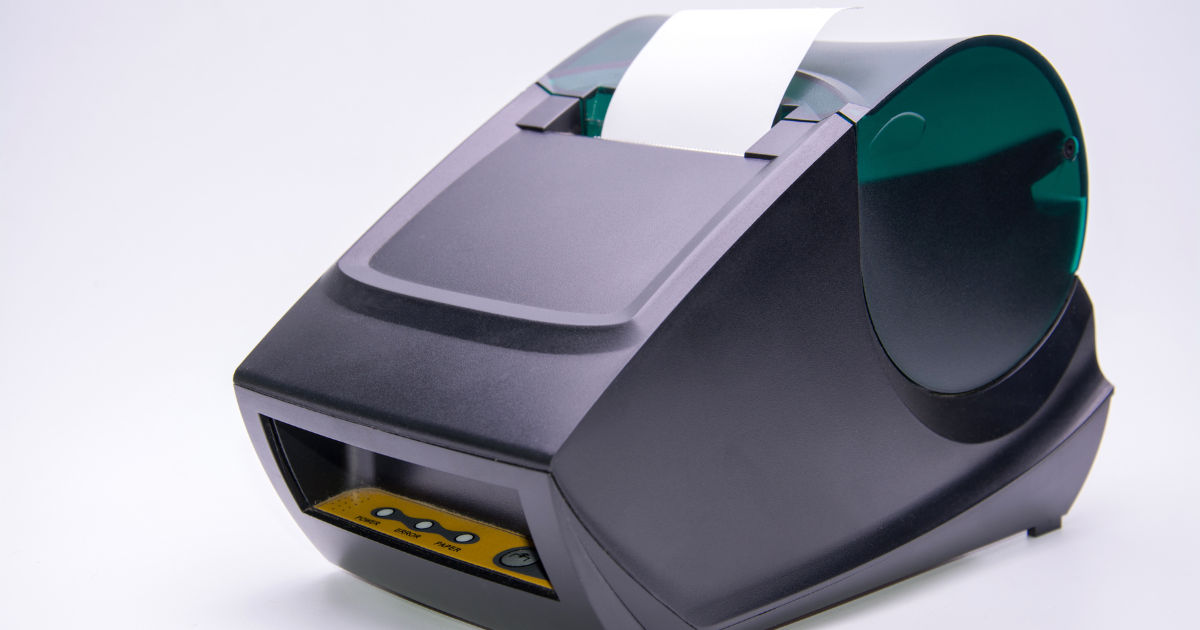
Whether you are a small store owner or managing a large warehouse, choosing the right barcode scanner can save time, reduce errors, and improve overall productivity.
If you are looking for a reliable device, considering the barcode scanner price in Pakistan is crucial, but price should not be the only factor. Understanding the key features of barcode scanners will help you make an informed decision.
A barcode scanner is not just a tool for reading barcodes; it is a gateway to better inventory management, faster transactions, and smarter business operations.
In this guide, we will explore the important features to look for when selecting a barcode scanner and help you understand why each feature matters.
Barcode Scanners
Before diving into features, it is important to understand what a barcode scanner does. A barcode scanner is a device that reads barcodes printed on products or packaging. These barcodes store information about the product, such as price, manufacturer, and stock details. The scanner reads the barcode and sends the information to a computer or point-of-sale system.
There are different types of barcode scanners, and each type has specific features suitable for particular business needs. The main types include:
-
Laser barcode scanners: Use a laser beam to read barcodes. They are fast and accurate, especially for one-dimensional barcodes.
-
CCD or linear imager scanners: Use light sensors to capture the barcode image. Suitable for close-range scanning.
-
2D or image scanners: Capture both one-dimensional and two-dimensional barcodes, like QR codes. Ideal for businesses that need to scan multiple barcode types.
-
Wireless or Bluetooth scanners: Offer mobility and convenience, allowing staff to scan items without being tied to a wired system.
Understanding these types will help you evaluate features effectively and choose the right scanner for your business.
Key Features of a Barcode Scanner
When choosing a barcode scanner, several features determine the efficiency, durability, and convenience of the device. Let’s explore them in detail.
1. Scanning Speed
The scanning speed refers to how quickly a barcode scanner can read and process barcodes. For businesses with high transaction volumes, such as supermarkets or large warehouses, scanning speed is critical. Faster scanners reduce customer waiting time and improve overall productivity.
Laser scanners generally offer the fastest scanning speed, while CCD and 2D scanners may be slightly slower but provide more versatility in barcode types. When comparing scanners, always check the scans per second (SPS) rating to ensure it meets your business needs.
2. Accuracy
Accuracy is a crucial factor that prevents errors in inventory management or sales. A high-accuracy scanner ensures that every barcode is read correctly, minimizing mistakes in pricing, stock levels, and product information.
Modern scanners often come with error-checking technology that validates scanned data. If your business deals with fragile items or high-value products, accuracy should be a top priority when evaluating scanners.
3. Compatibility with Barcode Types
Not all scanners can read all barcode types. The main barcode types include:
-
UPC and EAN: Commonly used in retail.
-
Code 39 and Code 128: Often used in logistics and warehousing.
-
QR codes: Popular in marketing and digital transactions.
-
PDF417: Used for identification cards and tickets.
Before purchasing, ensure the scanner supports the barcode types your business uses. A scanner that reads multiple types of barcodes offers more flexibility and future-proofing.
4. Connectivity Options
Barcode scanners can connect to systems in various ways, including USB, Bluetooth, or Wi-Fi. The choice of connectivity depends on your business setup:
-
Wired scanners: Offer reliable connections without worrying about battery life. Ideal for fixed point-of-sale systems.
-
Wireless scanners: Provide mobility and convenience. Suitable for large warehouses, stockrooms, or retail stores where staff need to move freely.
-
Bluetooth scanners: Easy to connect to mobile devices or tablets for flexible scanning operations.
Choosing the right connectivity option ensures seamless integration with your existing systems.
5. Durability and Build Quality
Barcode scanners are often subjected to rough handling, especially in warehouses or busy retail stores. A durable scanner can withstand drops, dust, and even moisture. Look for features such as:
-
Shock-resistant casing
-
Water and dust resistance (IP rating)
-
Reinforced cables or wireless designs
Investing in a sturdy scanner saves money in the long run by reducing repair and replacement costs.
6. Battery Life
For wireless scanners, battery life is a critical feature. Long-lasting batteries allow staff to scan throughout the workday without interruptions. Check the manufacturer’s specifications for battery life under normal usage. Some scanners also come with rechargeable batteries that are easy to swap or charge, adding convenience for heavy-duty operations.
7. Scanning Distance
The scanning distance refers to how far the scanner can read a barcode. Depending on your business, you may need:
-
Short-range scanners: Ideal for retail counters where items are scanned up close.
-
Long-range scanners: Useful in warehouses for scanning barcodes on shelves or pallets without moving items.
Matching the scanner’s distance capability with your operational needs ensures efficiency and reduces strain on staff.
8. Ease of Use
A barcode scanner should be user-friendly. Features like ergonomic design, lightweight construction, and intuitive triggers make scanning more comfortable, especially during long shifts. Some scanners also offer visual or audio feedback to confirm successful scans, reducing errors and improving workflow.
9. Integration with Systems
Modern businesses rely on software for inventory management, sales tracking, and analytics. A good barcode scanner should integrate seamlessly with your existing systems, such as POS software, ERP, or inventory management platforms. Check if the scanner supports plug-and-play setup, software compatibility, and driver support.
10. Price Considerations
While features matter most, budget is also an important factor. The barcode scanner price in Pakistan varies widely depending on type, brand, and features. Basic scanners may cost less but offer limited functionality, while advanced scanners with wireless capabilities, long-range scanning, and multi-barcode support may be more expensive. Balancing your business needs with the price ensures you get the best value for your investment.
Additional Features to Consider
Apart from the core features, some additional functionalities can add value to your barcode scanner.
1. Multi-Language Support
If your business operates in a multilingual environment, having a scanner that supports multiple languages can simplify configuration and training.
2. Data Storage
Some scanners can store scanned data temporarily, which is useful if you need to scan items without an immediate connection to your system. This feature is particularly helpful in inventory audits or remote scanning tasks.
3. Automatic Scanning
Automatic or hands-free scanning is useful in high-volume retail environments, such as supermarkets or pharmacies. These scanners automatically detect barcodes without requiring manual triggers, speeding up the checkout process.
4. Software Features
Some barcode scanners come with bundled software for data management, barcode generation, and analytics. These features can help you monitor sales trends, track stock levels, and optimize operations.
How to Choose the Right Barcode Scanner
Selecting the perfect barcode scanner requires assessing your specific business requirements. Here’s a simple checklist:
-
Identify the types of barcodes your business uses.
-
Determine the volume of scanning and the speed required.
-
Decide between wired and wireless connectivity.
-
Evaluate the scanner’s durability based on your work environment.
-
Check compatibility with your software systems.
-
Compare the barcode scanner price in Pakistan against your budget.
-
Look for additional features that enhance efficiency, like data storage or hands-free scanning.
By following this checklist, you can narrow down your options and choose a scanner that meets your operational needs while staying within budget.
Benefits of Using a High-Quality Barcode Scanner
Investing in a reliable barcode scanner brings multiple benefits:
-
Improved efficiency: Faster scanning reduces waiting times at checkout and speeds up inventory processes.
-
Reduced errors: Accurate barcode reading ensures correct pricing and stock management.
-
Enhanced inventory control: Real-time tracking helps prevent stockouts and overstocking.
-
Better customer experience: Quick and error-free transactions improve customer satisfaction.
-
Cost savings: Reducing mistakes and improving workflow saves money in the long run.
Common Mistakes to Avoid
Even with the best scanner, mistakes can happen if the device is not used properly. Avoid these common errors:
-
Choosing a scanner based solely on price without considering features.
-
Ignoring the types of barcodes your business uses.
-
Overlooking durability for a cheaper device, leading to frequent replacements.
-
Neglecting software compatibility, resulting in integration issues.
-
Failing to train staff properly, causing slower scanning and errors.
Being mindful of these mistakes ensures that your investment in a barcode scanner yields maximum benefits.
Maintenance Tips for Barcode Scanners
To extend the life of your scanner and maintain its performance:
-
Clean the scanner lens regularly to remove dust and dirt.
-
Avoid dropping or exposing it to extreme conditions.
-
Charge batteries according to manufacturer instructions.
-
Update firmware and software to improve functionality and security.
-
Keep the device in a safe, dry environment when not in use.
Proper maintenance reduces downtime and prolongs the device’s lifespan.
Future Trends in Barcode Scanners
Technology in barcode scanning is constantly evolving. Some trends to watch for include:
-
Mobile integration: Scanners connected to smartphones and tablets for flexible operations.
-
Cloud-based management: Real-time data syncing with cloud software for inventory and sales tracking.
-
Advanced imaging technology: 2D and 3D scanners for complex barcode reading.
-
AI-assisted scanning: Artificial intelligence to detect damaged or poorly printed barcodes.
Keeping an eye on these trends can help businesses invest in scanners that remain relevant for years.
Conclusion
Choosing the right barcode scanner is more than just looking at the barcode scanner price in Pakistan. It requires a careful evaluation of features such as scanning speed, accuracy, durability, compatibility, connectivity, and battery life. By understanding your business needs, considering additional features, and avoiding common mistakes, you can select a scanner that improves efficiency, reduces errors, and enhances customer experience. Investing in a quality barcode scanner is an investment in better business operations, whether for a retail store, warehouse, or logistics company.
A well-chosen scanner not only simplifies daily tasks but also provides a foundation for smarter, more streamlined inventory management. As technology continues to advance, staying informed about the latest features ensures your business stays ahead of the curve.