
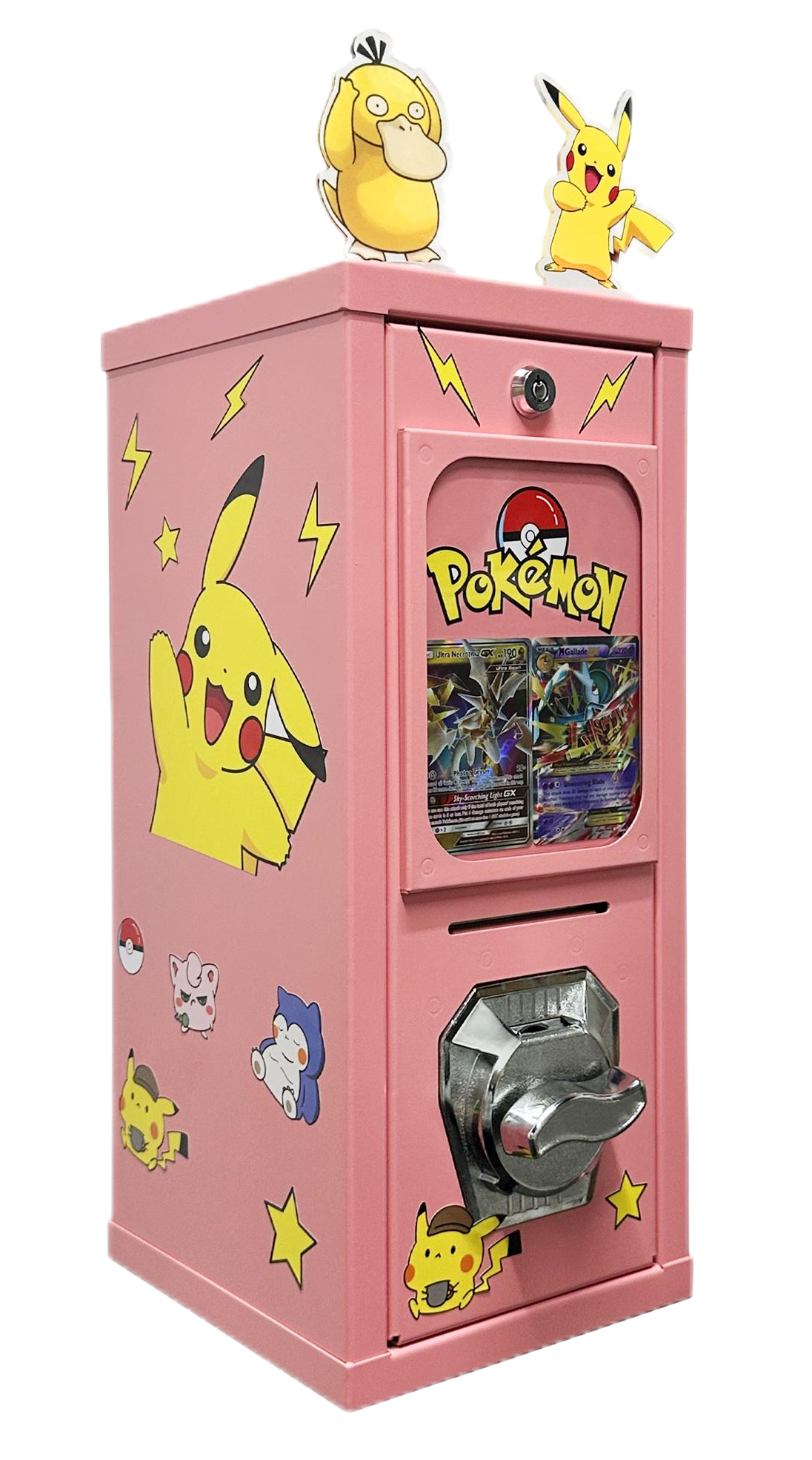
Vending machines are a present part of Bodoni font life, providing quickly and easy access to snacks, drinks, and even . However, the travel of the vendition simple machine from a simple physical science device to the high-tech machines we use now is a fascinating one. These machines have evolved importantly over the geezerhood, from their abase beginnings to becoming an necessity part of Commerce intercontinental. In this clause, we ll search the account of hawking machines acha, from their first invention to their stream and future innovations pokemon Vending machine.
The Origins of Vending Machines
The chronicle of vendition machines can be derived back to the first known automatic simple machine that distributed products. The earliest known hawking machine was unreal in the first century A.D. by Hero of Alexandria, an ancient Greek engineer and mathematician. This device, known as a”coin-operated holy irrigate dispenser,” was studied to automatically unfreeze a sounded amount of holy water in exchange for a coin. Although primitive person by modern standards, this innovation laid the substructure for futurity machine-driven systems.
The next considerable development in the account of vending machines came in the 1880s in London. The first commercial message peddling machine was introduced by Percival Everitt, a British discoverer. This simple machine distributed postcards, allowing customers to apace buy them without needing a clerk. While this was a simpleton peddling machine, it marked a pivotal step in the conception of peddling automation.
The Rise of Vending Machines in the 20th Century
Vending machines began to gain popularity in the early on 1900s in the United States. The first American peddling simple machine was introduced in 1888 by the Thomas Adams Gum Company, which dispensed chewing gum. This noticeable the start of the general commercialization of peddling machines, which evolved to dispense with various products, including cigarettes, candy, and soda.
The early 20th century saw a tide in the development of hawking machines in populace spaces such as train Stations, airports, and schools. These machines offered convenience to consumers who craved to buy in products speedily without having to interact with a store . The Parousia of coin-operated vending machines made them even more available, as they didn t want a to help the dealing.
In the 1930s and 1940s, peddling machines started to diversify. In plus to snacks and beverages, new types of hawking machines began offering items like sandwiches, hot java, and even newspapers. This was also the era when peddling machines began to be viewed not just as a knickknack but as a practical byplay model. As they became more high-tech, they allowed businesses to serve customers in areas that were not easily accessible, thus expanding the reach of consumer goods.
The Golden Age of Vending Machines
The post-World War II era is often referred to as the”golden age” of vendition machines. By the 1950s and 1960s, vending machines had become a staple fibre of modern font life, especially in workplaces, schools, and populace areas. The development of more advanced applied science, such as the intro of the first refrigerated vending machines, made it possible to sell cold beverages like soda and bottled irrigate.
During this time, peddling machines also started to spread out into new production categories. For example, in the 1960s, the first peddling simple machine that dispensed hot food was introduced. This simple machine could answer products like pizza pie, hot dogs, and other warm meals, allowing customers to fresh heated food at their . The widespread use of hawking machines continued to grow as a leave of their power to volunteer quick, accessible, and inexpensive food and beverages.
Modern Vending Machines and Technology
As engineering high-tech in the late 20th and early 21st centuries, hawking machines also underwent substantial upgrades. The integration of integer engineering science allowed for more synergistic and competent machines. Touchscreen interfaces, credit card readers, and cashless defrayment options became standard features in many Bodoni vendition machines. This made purchasing items even more favorable for consumers, especially in a cashless high society.
In the early on 2000s, there was a notable transfer toward better peddling options. With growth concerns over corpulency and unhealthful feeding habits, many vendition simple machine operators began to volunteer healthier snacks, such as fruits, nuts, and protein bars, aboard traditional snacks. This transfer was a reply to dynamical preferences, as populate became more health-conscious and sought alternatives to sweet and high-calorie foods.
Moreover, vendition machines began to diversify further. In addition to food and beverages, machines started to sell , cosmetics, and even wear. Companies like Apple and Best Buy introduced hawking machines that sold products such as headphones, ring accessories, and even smartphones. These machines offered convenience for consumers looking to buy up tech items speedily and without the need to travel to a retail stack away.
The Future of Vending Machines
Looking in the lead, the future of vendition machines is set to be even more groundbreaking. Emerging technologies such as synthetic intelligence(AI), simple machine scholarship, and the Internet of Things(IoT) are expected to play a John R. Major role in transforming the hawking manufacture. AI-powered vending machines could individualize the customer undergo, offer production recommendations based on early purchases or preferences.
Another stimulating is the rise of”smart” vending machines. These machines are connected to the net, allowing operators to supervise inventory levels in real-time, restock products more with efficiency, and even offer promotions to customers through Mobile apps. This could significantly tighten downtime and ascertain that nonclassical items are always available to consumers.
Additionally, with the development veer of sustainability, time to come hawking machines could sport eco-friendly options, such as machines that use renewable vim, biodegradable packaging, or volunteer more property product choices. Vending machines may also become part of a bigger smart city substructure, where they are seamlessly structured with other connected services and platforms.
Conclusion
The history of peddling machines is a account of never-ending conception and adaptation. From their humiliate beginnings in antediluvian Greece to their Bodoni personification as high-tech, cashless, and diverse machines, vending machines have come a long way. Today, they answer as a symbolic representation of convenience, offering quick and easy get at to a wide range of products. As engineering science continues to germinate, vending machines are likely to become even smarter, more competent, and more integrated into our daily lives. Whether you’re grabbing a snack, purchasing a call up courser, or order a hot meal, peddling machines are here to stay, continually shaping the way we waste products and interact with engineering.