
Stump grinding is an essential part of maintaining a clean and safe yard. After removing a tree stump, you’re left with a pile of debris that can be challenging to manage. Many homeowners ask, “How do I properly dispose of this material?”
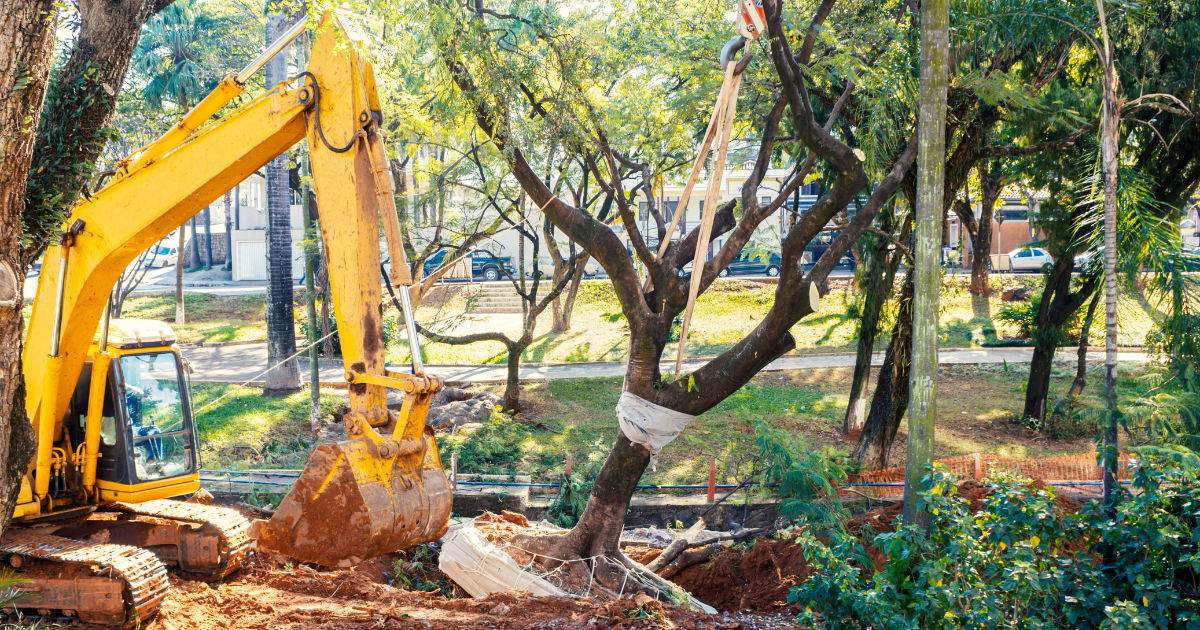
Whether it’s wood chips, mulch, or root fragments, knowing how to handle the aftermath of stump grinding is crucial. If you’re looking for professional assistance in handling tree care, consider services like tree pruning canberra, which not only help with pruning but also with stump and debris management.
In this guide, we’ll cover all aspects of disposing of material after stump grinding, from sorting debris to repurposing it. We’ll also discuss environmental considerations, legal regulations, and tips for keeping your yard safe and attractive.
Debris After Stump Grinding
When a stump is ground down, you end up with three main types of material: wood chips, sawdust, and root fragments. Each type has different disposal options.
-
Wood Chips: These are the larger pieces of wood left over from grinding. They are often 1-2 inches in size and can be reused in many ways.
-
Sawdust: Fine particles that settle around the stump area. Sawdust can be messy but is excellent for composting or mulching.
-
Root Fragments: These are pieces of roots that remain underground or surface. They may require additional digging or removal.
Understanding the type of debris you’re dealing with is the first step toward proper disposal. Improper handling can lead to pest infestations or even hinder new plant growth in your yard.
Step 1: Evaluate Your Disposal Options
Before disposing of stump material, it’s important to assess your options. You have several ways to manage stump debris:
-
Repurpose as Mulch: Wood chips can be used in garden beds to retain moisture and prevent weed growth.
-
Composting: Sawdust and smaller chips can be added to your compost pile. They break down slowly but add valuable organic matter.
-
Green Waste Collection: Many local councils offer green waste pickup for organic yard debris.
-
Hire a Professional Service: Companies specializing in tree care, such as tree pruning canberra, can remove stump debris efficiently and safely.
Choosing the right disposal method depends on the amount of material, your local regulations, and whether you want to reuse the debris.
Step 2: Repurposing Stump Material
Repurposing stump grinding debris is an environmentally friendly and cost-effective option. Here are some common uses:
-
Mulching Garden Beds: Wood chips help retain soil moisture, reduce weeds, and improve soil health. Spread a 2-3 inch layer over flower beds or around trees.
-
Pathways and Trails: Larger wood chips can create natural walking paths in your garden. They’re durable, aesthetically pleasing, and help prevent soil erosion.
-
Composting Material: Mix sawdust and smaller chips with green waste, like grass clippings, for a balanced compost. This accelerates decomposition and produces nutrient-rich soil.
-
Erosion Control: Spread wood chips on slopes or areas prone to erosion. They stabilize soil and prevent runoff during heavy rain.
Repurposing not only reduces waste but also improves your garden’s appearance and functionality.
Step 3: Preparing Debris for Disposal
If repurposing isn’t an option, you need to prepare the debris for disposal. Follow these steps:
-
Sort the Material: Separate large wood chips from fine sawdust and root fragments. This makes disposal easier and more efficient.
-
Bag or Contain Debris: Use heavy-duty garden bags or bins to collect sawdust and smaller debris. Large wood chips can be stacked or placed in a wheelbarrow.
-
Dry the Material: Allow wet debris to dry if possible. Dry debris is easier to transport and reduces the risk of mold or rot.
Proper preparation ensures that disposal is safe, environmentally friendly, and compliant with local regulations.
Step 4: Disposal Through Local Waste Management
Many cities have specific guidelines for disposing of yard waste. Here’s how to navigate local disposal:
-
Check Local Regulations: Some areas limit the amount of yard waste you can place for collection. Others may require special containers or bags.
-
Schedule a Green Waste Pickup: Contact your local council or waste management service for scheduled green waste collection.
-
Drop-off Sites: Many councils operate green waste drop-off sites where residents can bring wood chips, sawdust, and other organic material.
-
Fees: Some disposal methods may involve fees, especially for larger amounts of debris.
By following local guidelines, you can dispose of stump material legally and safely.
Step 5: Hiring a Professional Tree Service
If you have a large stump or significant debris, hiring a professional tree service is a convenient option. Companies specializing in tree pruning canberra offer stump grinding, debris removal, and disposal services. Benefits of hiring a professional include:
-
Efficiency: Professionals remove debris quickly and safely.
-
Equipment: They have the right tools to handle large stumps and heavy wood chips.
-
Safety: Reduces risk of injury from handling sharp or heavy debris.
-
Environmental Compliance: Professionals know local disposal regulations and ensure proper handling.
Hiring a service may cost more initially, but it saves time and effort while ensuring a clean, safe yard.
Step 6: Burning Stump Debris (Where Permitted)
In some areas, burning stump debris is legal, but there are precautions:
-
Check Local Laws: Open burning is restricted in many cities and may require a permit.
-
Safety First: Keep a safe distance from buildings, trees, and flammable materials. Have water or a fire extinguisher nearby.
-
Burn in Small Quantities: Large piles can burn uncontrollably. Smaller, controlled piles are safer.
Burning is not always recommended due to environmental concerns and air pollution. Consider it only when legal and safe.
Step 7: Using Stump Material in Landscaping Projects
Another creative way to dispose of stump debris is incorporating it into landscaping projects:
-
Raised Garden Beds: Mix wood chips with soil to improve drainage and structure.
-
Play Areas: Spread wood chips under swings or slides for cushioning.
-
Decorative Borders: Use larger chips or root fragments to create natural borders around garden paths or flower beds.
Landscaping with stump material reduces waste and adds a natural, aesthetic element to your yard.
Step 8: Composting Wood Chips and Sawdust
Composting stump debris takes longer than other organic matter due to its high carbon content. Follow these steps for effective composting:
-
Balance Green and Brown Material: Combine wood chips (brown) with green materials like grass clippings or vegetable scraps.
-
Moisture Control: Keep the pile damp but not soggy.
-
Turn Regularly: Aerate the pile to speed up decomposition.
-
Wait: Wood chips may take 6-12 months to fully decompose.
Proper composting transforms stump debris into rich soil that can benefit gardens and plants.
Step 9: Avoiding Common Mistakes
Many homeowners make mistakes when disposing of stump grinding material. Avoid these common errors:
-
Dumping in Streets or Empty Lots: Illegal and can cause fines.
-
Ignoring Root Fragments: Leftover roots may sprout new shoots. Remove or grind thoroughly.
-
Mixing with Regular Trash: Stump debris is organic and belongs in green waste, not landfill trash.
-
Ignoring Local Regulations: Check your council rules before disposal.
By avoiding these mistakes, you ensure safe and effective disposal.
Step 10: Environmental Considerations
Disposing of stump material responsibly protects the environment:
-
Reduce Landfill Waste: Repurposing or composting prevents organic matter from filling landfills.
-
Support Soil Health: Mulch and compost improve soil structure, moisture retention, and nutrient content.
-
Prevent Pest Infestations: Proper disposal avoids attracting termites or rodents.
-
Minimize Air Pollution: Avoid burning unless legal and controlled.
Being environmentally conscious ensures a healthier garden and community.
Conclusion
Disposing of material after stump grinding doesn’t have to be complicated. By understanding the types of debris, evaluating disposal options, and following best practices, you can manage stump material efficiently and responsibly. Repurposing wood chips and sawdust as mulch or compost not only reduces waste but also enhances your garden. For those with large or difficult stumps, professional services like tree pruning canberra provide safe and effective removal and disposal.
Whether you choose to repurpose, compost, or use local waste management services, the key is to plan ahead, sort the debris, and follow local guidelines. Taking these steps ensures a clean, safe, and environmentally friendly yard, transforming stump grinding debris from a problem into an opportunity.
Proper disposal of stump material is more than just clearing space—it’s about creating a sustainable, beautiful outdoor environment. With the right approach, you can turn what seems like waste into a valuable resource for your garden and landscape projects.