
Delicate female clothes are a wardrobe essential, but they require careful handling to maintain their beauty and longevity. Whether it’s a silk blouse, lace dress, or embroidered top, improper care can lead to shrinking, tearing, or color fading. Understanding the correct methods of cleaning, storing, and maintaining these garments is crucial.
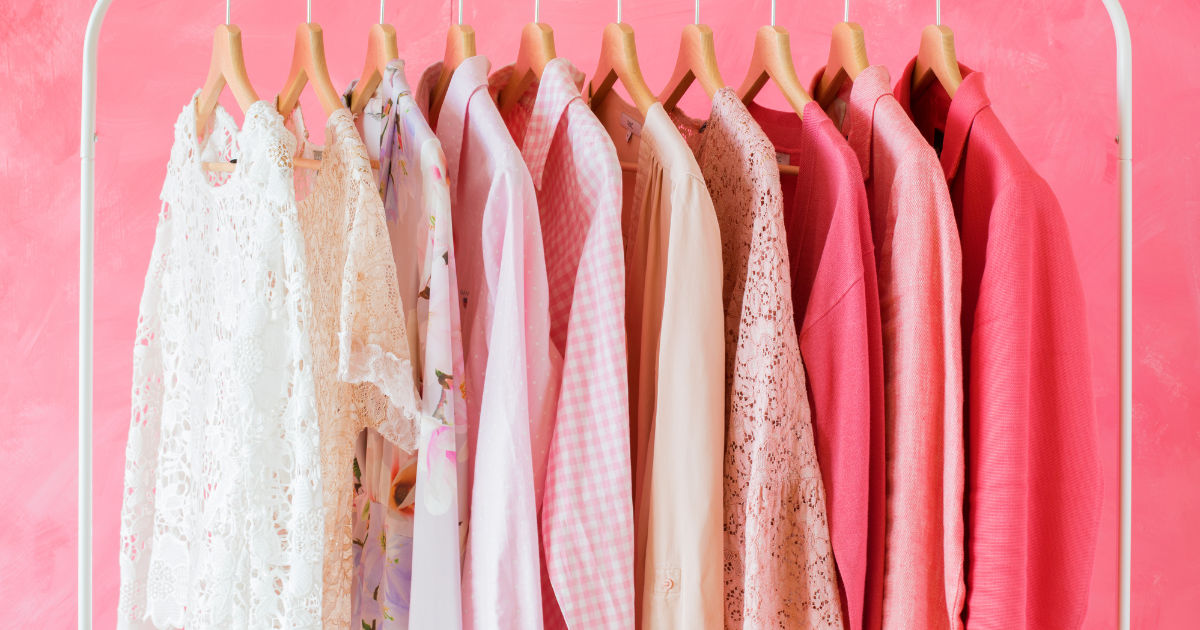
This guide will provide detailed instructions on how to care for delicate female clothes, ensuring they remain in excellent condition for years.
Delicate Female Clothes
Delicate female clothes often include fabrics such as silk, chiffon, lace, satin, cashmere, and fine cotton. These materials are soft, lightweight, and prone to damage if not handled carefully. Unlike everyday clothing, delicate female clothes cannot withstand harsh washing methods or rough handling.
Some common signs that a piece of clothing is delicate include:
-
Fine stitching or embroidery
-
Sheer or lightweight fabric
-
Soft textures that can snag easily
-
Fabrics that shrink or stretch easily
Knowing the type of fabric is the first step in caring for delicate female clothes. Always check the care label for specific instructions before washing, drying, or ironing.
Washing Delicate Female Clothes
Proper washing is the most critical step in maintaining delicate female clothes. There are several methods, each suitable for different types of fabrics.
Hand Washing
Hand washing is often the safest method for delicate fabrics. Here’s how to do it:
-
Fill a basin or sink with lukewarm water. Avoid hot water as it can shrink or damage delicate fibers.
-
Add a small amount of gentle detergent designed for delicate fabrics. Avoid using regular laundry detergents.
-
Submerge the clothing and gently swirl it in the water. Do not rub, twist, or wring the fabric.
-
Let the garment soak for about 5-10 minutes.
-
Rinse thoroughly with cool water until all detergent is removed.
-
Gently press out excess water using a clean towel. Do not wring.
Hand washing helps prevent stretching, snagging, and fading. This method is particularly effective for silk, lace, and wool garments.
Machine Washing
Some delicate female clothes can be washed in a machine if done carefully. Follow these tips:
-
Use a mesh laundry bag to protect the clothing.
-
Select the gentle or delicate cycle.
-
Use cold water to avoid shrinking or fading.
-
Choose a mild detergent specifically designed for delicate fabrics.
-
Wash similar colors together to prevent color bleeding.
Always avoid washing delicate fabrics with heavy items like jeans or towels, as friction can damage the fabric.
Drying Delicate Female Clothes
Drying is another critical aspect of caring for delicate female clothes. Improper drying can cause shrinking, warping, or color fading.
Air Drying
Air drying is the safest method for delicate fabrics:
-
Lay the garment flat on a clean, dry towel.
-
Reshape the garment gently to maintain its original form.
-
Avoid direct sunlight, which can fade colors.
-
For garments that can hang, use padded hangers to prevent stretching at the shoulders.
Avoiding Heat
Never use a dryer for delicate female clothes unless the care label specifically allows it. High heat can ruin delicate fabrics, shrink sizes, and damage embellishments like beads or sequins.
Storing Delicate Female Clothes
Proper storage is essential for prolonging the life of delicate female clothes. Poor storage can lead to wrinkles, fabric damage, and fading.
Hanging vs. Folding
-
Hanging: Use padded hangers for delicate tops, dresses, and coats. Avoid wire hangers as they can distort the shape of the garment.
-
Folding: Knitwear, cashmere, and delicate blouses should be folded to prevent stretching. Store them in a breathable drawer or box.
Avoiding Moisture
Moisture can cause mold and mildew on delicate fabrics. Store clothing in a dry, well-ventilated area. Consider using silica gel packs or cedar balls to absorb excess moisture and repel insects.
Protecting from Dust and Sunlight
Store delicate female clothes in garment bags to protect from dust. Avoid direct sunlight exposure for long periods as it can cause fading.
Handling Stains on Delicate Female Clothes
Stains are inevitable, but improper treatment can worsen the damage. Here’s how to handle common stains:
General Stain Removal Tips
-
Act quickly; the sooner you treat a stain, the easier it is to remove.
-
Blot the stain gently with a clean cloth, don’t rub.
-
Use mild stain removers suitable for delicate fabrics. Test on a hidden area first.
Specific Stain Treatments
-
Oil-based stains: Sprinkle cornstarch or baby powder to absorb oil before washing.
-
Red wine stains: Use cold water and a mild detergent immediately. Avoid hot water as it can set the stain.
-
Sweat stains: Soak in a mixture of water and white vinegar, then gently wash.
Ironing and Steaming Delicate Female Clothes
Many delicate fabrics wrinkle easily, but improper ironing can ruin the garment.
Ironing Tips
-
Always check the care label for the recommended heat setting.
-
Use a pressing cloth between the iron and the garment to avoid direct heat.
-
Iron inside out to protect colors and prints.
-
Avoid using steam on fabrics like silk unless the label allows it.
Steaming
Steaming is often safer for delicate fabrics:
-
Hang the garment and use a handheld steamer.
-
Keep the steamer at a safe distance to prevent water spots.
-
Steaming helps remove wrinkles without direct contact with heat.
Special Tips for Different Fabrics
Each fabric type has unique requirements for care.
Silk
-
Hand wash in cold water or dry clean.
-
Avoid prolonged exposure to sunlight.
-
Do not wring; gently press water out with a towel.
Lace
-
Handle gently to prevent tearing.
-
Wash separately in a mesh bag if machine washing.
-
Dry flat to maintain shape.
Wool and Cashmere
-
Hand wash or dry clean.
-
Fold, don’t hang, to prevent stretching.
-
Avoid friction to prevent pilling.
Satin
-
Wash in cold water with a gentle detergent.
-
Iron on low heat using a pressing cloth.
-
Dry flat or hang to prevent creases.
Maintaining Color and Fabric Quality
Delicate female clothes can lose color and texture over time.
-
Wash in cold water to maintain color.
-
Use color-safe detergents to prevent fading.
-
Avoid bleach or harsh chemicals.
-
Rotate clothing to prevent constant wear on certain pieces.
Traveling with Delicate Female Clothes
Traveling presents unique challenges for delicate fabrics:
-
Roll clothes instead of folding to reduce wrinkles.
-
Use garment bags for dresses and blouses.
-
Pack tissue paper between layers to prevent snagging.
-
Avoid overpacking; delicate clothes need space to prevent crushing.
Dry Cleaning Delicate Female Clothes
Some fabrics are best handled by professionals. Dry cleaning is suitable for:
-
Heavily embellished garments
-
Silk and satin
-
Wool coats and cashmere sweaters
Always choose a reputable dry cleaner and inform them of any specific stains or delicate features.
Regular Maintenance
Proper maintenance extends the life of delicate female clothes:
-
Check seams and buttons regularly for loose threads.
-
Remove pilling from sweaters using a fabric shaver.
-
Store off-season clothes in breathable containers.
-
Rotate wardrobe items to prevent wear and tear.
Eco-Friendly Tips for Caring for Delicate Clothes
Sustainable care methods can also protect delicate fabrics:
-
Use eco-friendly detergents.
-
Avoid over-washing; only wash when necessary.
-
Line dry instead of using a dryer.
-
Repair clothes instead of discarding minor damages.
Conclusion
Caring for delicate female clothes requires patience, attention, and proper techniques. From washing and drying to storing and handling stains, every step matters. By following the practices outlined in this guide, you can preserve the beauty, texture, and longevity of your delicate female clothes. Remember to always check care labels, use gentle cleaning methods, and store your garments correctly. With proper care, your favorite pieces will continue to look new and stylish for years. Delicate clothing doesn’t have to be high-maintenance—it simply requires the right approach.
Proper care ensures your wardrobe remains elegant and wearable, giving you confidence and comfort every day. Whether it’s a silk blouse for work, a lace dress for a special occasion, or cashmere sweaters for winter, treating delicate female clothes with care is an investment in both style and longevity.