
When it comes to designing a workspace, comfort is not just about style—it’s about the feeling you get when you sit in your chair. The eames office chair is one of the most popular choices for people seeking a combination of design, ergonomics, and luxury.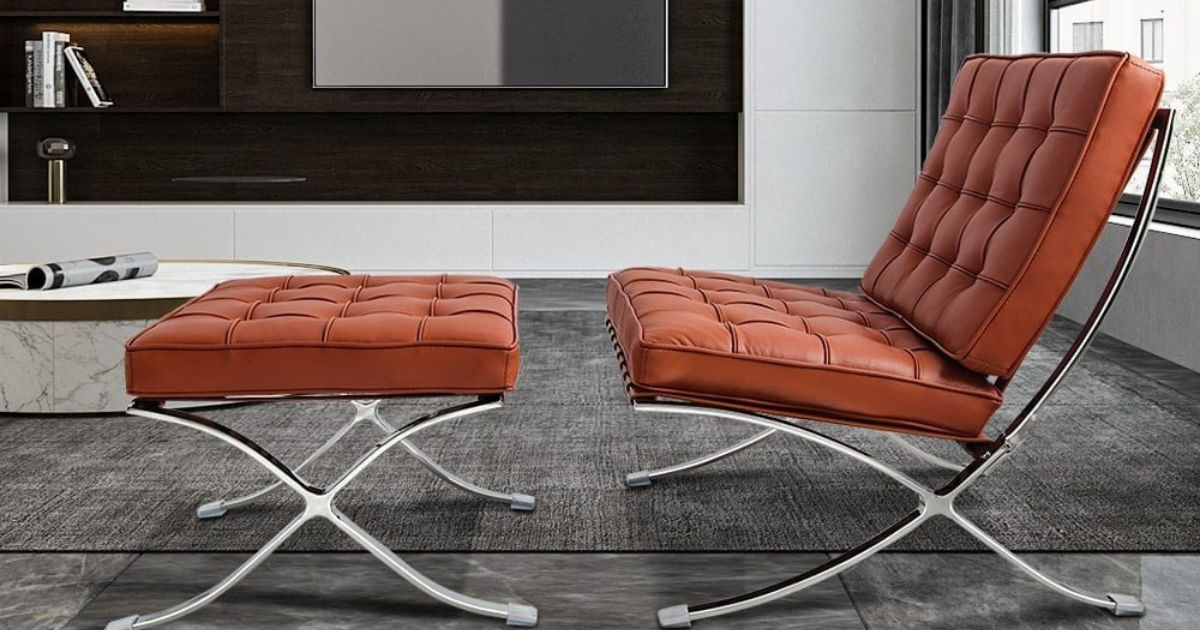
However, many users overlook how the chair's feel directly affects comfort. Understanding this relationship can transform your workday experience.
The feel of a chair refers to more than just softness. It includes factors like support, tension, movement, and material texture. A well-designed eames office chair doesn’t just look good; it feels good too.
By paying attention to these aspects, you can maximize comfort, reduce fatigue, and even improve productivity.
Understanding the Anatomy of an Eames Office Chair
Before diving into feel, it’s important to understand what makes the eames office chair unique. Unlike typical office chairs, this design combines ergonomic support with timeless style. Key components include:
-
Seat cushion: Usually padded with high-quality foam to provide both comfort and support.
-
Backrest: Offers lumbar support that adjusts naturally to the spine.
-
Armrests: Designed for resting your arms comfortably without causing strain.
-
Swivel base: Provides mobility, allowing smooth movement without standing up.
-
Tilt mechanism: Helps you adjust the recline to find your optimal posture.
Each part contributes to the overall feel. If one component doesn’t align with your body, even a premium chair like an eames office chair can feel uncomfortable.
How Material Impacts Comfort
Material is the first thing you notice when you sit in your eames office chair. Leather, fabric, or mesh all feel different against your skin.
-
Leather gives a smooth, luxurious feel. It adapts to body heat, making it warmer in winter but can feel sticky in summer.
-
Fabric is softer and breathable, which helps with long hours of sitting. However, it can wear out faster if not maintained.
-
Mesh is highly breathable, keeping you cool, but may feel less cushioned.
Your perception of comfort is directly affected by material. A chair that feels good to one person may feel rough or stiff to another, highlighting the importance of personal preference.
The Role of Cushioning and Support
The cushioning of an eames office chair is not just about softness—it’s about support. Too soft, and your body sinks, causing poor posture. Too firm, and it may feel like sitting on a wooden plank.
Good cushioning balances comfort and support. It helps maintain proper spinal alignment, reduces pressure points, and prevents numbness in the thighs and lower back. Modern eames office chairs often use layered foam or molded padding to achieve this balance, ensuring comfort even during long working hours.
How Ergonomics Enhances Feel
Ergonomics plays a crucial role in how an eames office chair feels. Ergonomics refers to designing a chair that fits the human body’s natural movements.
A chair that supports your lumbar region, encourages proper posture, and reduces strain on joints feels more comfortable over time. Adjustable height, tilt tension, and seat depth allow the chair to adapt to your body rather than forcing your body to adapt to the chair.
When the ergonomics align perfectly with your body, the feel becomes effortless. You can sit for hours without discomfort, which directly improves productivity and overall wellbeing.
Movement and Adjustability
The feel of your eames office chair also depends on how it moves. A chair that tilts smoothly, swivels without resistance, and rolls easily across the floor feels far superior to one that is stiff or jerky.
-
Tilt function: Adjusting recline tension lets you lean back comfortably while maintaining support.
-
Swivel rotation: Allows you to reach different areas of your desk without straining your torso.
-
Caster wheels: Make movement effortless and reduce fatigue from repeated standing and sitting.
Smooth movement enhances the perception of comfort. Even small adjustments in chair feel can significantly impact your sitting experience.
Temperature and Breathability
You may not think of it, but temperature control affects how comfortable an eames office chair feels. Leather can trap heat, while mesh allows airflow, keeping you cool.
Sweating while sitting can make a chair feel sticky and uncomfortable. Breathable materials and properly ventilated cushions prevent overheating, making long work sessions much more enjoyable. Your physical comfort is tied to the tactile feel of the chair and how it reacts to your body temperature.
Psychological Impact of Chair Feel
Feel isn’t just physical—it’s psychological. Sitting in a chair that feels supportive and luxurious can boost confidence, focus, and satisfaction.
An eames office chair with a premium feel can make you feel more professional and energized. Conversely, a chair that feels cheap, stiff, or poorly cushioned can subconsciously make you less motivated and more fatigued.
Personal Preference Matters
Every person experiences chair feel differently. Your weight, height, body shape, and even clothing choice influence how an eames office chair feels.
It’s essential to test the chair before committing. Pay attention to:
-
How your back aligns with the lumbar support
-
Whether your legs feel comfortable against the seat edge
-
How the armrests match your natural resting position
-
How easy it is to move, tilt, or swivel
Comfort is highly subjective. The perfect chair for one person might feel wrong for another, even if both chairs are identical models.
The Role of Posture in Chair Comfort
Feel and posture are intertwined. A chair might feel soft and inviting, but if it doesn’t encourage proper posture, discomfort will develop over time.
An eames office chair supports the natural curve of your spine, promoting upright posture. This reduces pressure on the lower back and prevents slumping, which can make even the best chair feel uncomfortable after prolonged use.
Regularly checking your posture while sitting enhances the feel. The chair complements your body instead of fighting against it.
Maintenance and Longevity
Even the most comfortable eames office chair can lose its feel if not maintained properly. Dust, spills, and wear can alter texture, cushion, and movement.
-
Clean leather with a damp cloth and conditioner to prevent stiffness.
-
Vacuum fabric to remove dirt and maintain softness.
-
Check casters and tilt mechanisms for smooth function.
Proper maintenance preserves the chair’s intended feel, ensuring comfort over years of use.
Common Mistakes Affecting Comfort
Many people make mistakes that reduce the comfort of their eames office chair:
-
Choosing a chair based solely on appearance
-
Ignoring the importance of adjustability
-
Using the chair in improper posture
-
Skipping maintenance
Each of these mistakes can negatively impact how the chair feels, no matter how high quality it is.
Tips for Maximizing Eames Office Chair Comfort
Here are practical tips to enhance comfort:
-
Adjust the seat height so feet rest flat on the floor
-
Ensure lumbar support aligns with the lower back
-
Tilt the chair slightly to reduce pressure on thighs
-
Position armrests to relax shoulders
-
Take breaks to stand and stretch
These steps improve the tactile and ergonomic feel, allowing your eames office chair to perform at its best.
How Environment Influences Chair Feel
The feel of an eames office chair isn’t just about the chair itself. Environmental factors like room temperature, flooring, and desk height also play a role.
-
Hard floors may make caster wheels roll less smoothly
-
A desk that’s too high or low can strain posture
-
Room temperature affects material comfort
Creating an ideal environment amplifies the chair’s positive feel, making long work sessions more pleasant.
Comparing Eames Office Chair to Other Office Chairs
Compared to standard office chairs, the eames office chair is renowned for its balance of comfort and design.
-
Standard chairs may focus on cheap cushioning or minimal support
-
Eames chairs prioritize ergonomic feel, material quality, and smooth movement
-
The psychological feel of a designer chair can boost satisfaction
This combination of physical and emotional comfort makes the eames office chair stand out in office furniture.
Conclusion
The comfort of an eames office chair is deeply influenced by feel, which encompasses material, cushioning, ergonomics, movement, and environmental factors. Choosing the right chair goes beyond style; it’s about how it interacts with your body and mind.
By understanding these factors, adjusting the chair to your preferences, and maintaining it properly, you can enjoy hours of productive, pain-free work. Investing in an eames office chair is not just about owning a designer piece—it’s about enhancing your daily comfort and wellbeing.
The perfect chair feels right from the first moment you sit, supports your posture effortlessly, and adapts to your body over time. With the right attention to feel, your eames office chair can transform your workspace experience completely.