
1. Introduction
Electric vehicles(EVs) are no yearner a recess; they are becoming a mainstream pick for drivers around the world. As EV borrowing grows, understanding car charging stations becomes essential for both current and prospective EV owners. Car charging stations are the backbone of the EV ecosystem, facultative drivers to reload their vehicles safely, with efficiency, and handily. This clause provides a comp guide on everything you need to know about car charging Stations of the Cross.
2. Types of Car Charging Stations
Charging Stations of the Cross are classified mainly by the hurry at which they can recharge a fomite. The three primary feather types are Level 1, Level 2, and DC Fast Chargers.
2.1 Level 1 Chargers
Level 1 chargers use a standard house 120-volt outlet. They are the slowest form of charging, typically adding 2 5 miles of straddle per hour. While expedient for home use, Level 1 chargers are not suitable for long-distance trip due to their slow zip.
2.2 Level 2 Chargers
Level 2 chargers use a 240-volt power cater and are much faster than Level 1. They can add 15 60 miles of range per hour, making them ideal for home installations, workplaces, and populace charging Stations. Many Level 2 chargers are armed with smart features, allowing programming, monitoring, and app integrating.
2.3 DC Fast Chargers
DC Fast Chargers high electromotive force straight to the battery, bypassing the vehicle s aboard courser. This allows an EV to tear from 20 to 80 in 20 40 minutes depending on the vehicle and courser capacity. These chargers are typically set along highways and are requisite for long-distance EV travel.
3. How Car Charging Stations Work
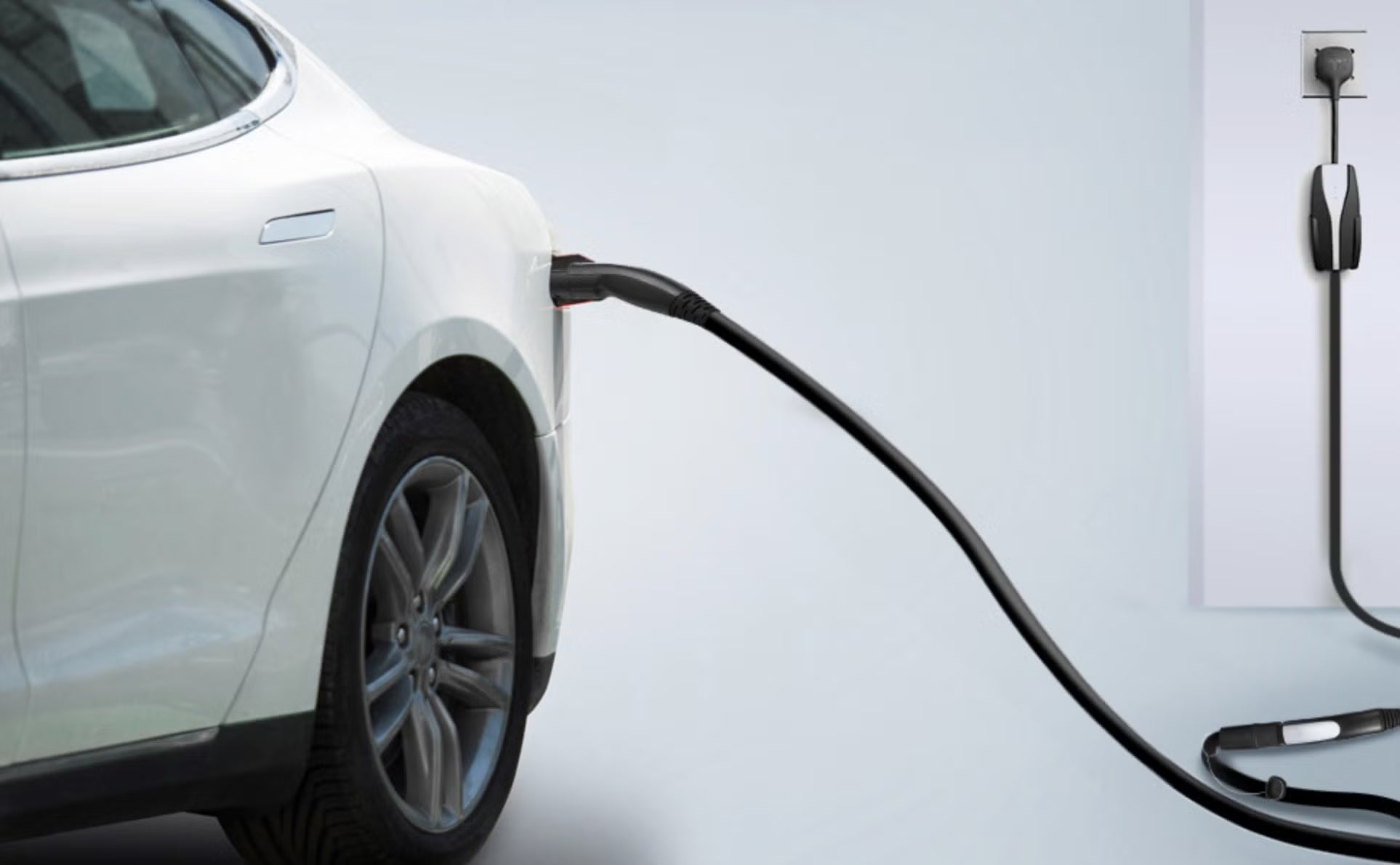
Charging Stations supply electric car superpowe to the EV through a connective that matches the vehicle s inlet. When obstructed in, the station communicates with the car to manage the flow of electricity safely. Smart chargers can also optimise charging by adjusting world power based on peak hours or the fomite s stamp battery condition. Safety features like overcurrent protection, run aground blame signal detection, and machine rifle shut-off ascertain both the fomite and the user are sheltered during charging.
4. Finding Charging Stations
Locating charging Stations is easier than ever thanks to apps like PlugShare, ChargePoint, and Tesla s Supercharger web. These platforms supply real-time availableness, pricing, and reviews. Some EV navigation systems are also integrated with charging post maps, leading drivers along routes with charging stops included.
5. Costs and Payment Options
Charging vary wide depending on the type of charger, positioning, and web. Level 1 and Level 2 chargers at home typically cost less than public DC Fast Chargers. Payment methods include membership cards, smartphone apps, or credit card access. Some workplaces and world locations offer free charging as an incentive to EV drivers. Understanding pricing models can help drivers plan trips and wangle costs efficiently.
6. Installing a Home Charging Station
Installing a Level 2 home charger is a pop pick for EV owners who favor . The installment requires a devoted 240-volt circuit and should be performed by a licensed electrician. Home chargers often come with features such as Wi-Fi connectivity, programming, and energy monitoring. The upfront cost can range from a few C to over a thousand dollars, but the long-term savings on fuel can make it worthwhile.
7. Future Trends in Charging Infrastructure
The EV ev charge stations landscape is chop-chop evolving. Wireless charging, radical-fast 350 kW chargers, and swollen public substructure are on the purview. Governments worldwide are investing in charging networks to support EV borrowing and reduce reliance on fossil fuels. Smart grid desegregation and inexhaustible energy-powered Stations are also becoming more park, contributory to sustainable transportation.
8. Conclusion
Car charging Stations of the Cross are a indispensable component part of the electric automobile fomite ecosystem. Understanding the types, , and installing options empowers drivers to make informed decisions. As engineering science advances, charging will become quicker, more favorable, and more available, further fast the transfer toward a , greener time to come in transportation system. Whether you are a new EV proprietor or considering qualification the trade, cognition about charging Stations ensures a smoothen and capable driving see.