
Introduction: The Fulfillment Floor Is Changing
Speed decides who wins the aisle. Modern robotics software is now the difference between smooth flow and overnight backlog. Tools like warehouse automation software align people, AMRs, and conveyors in real time—no guesswork. Picture a peak season morning: carts stack up, totes pile, and a third of your AMR fleet waits for clearance because one station stalls. Data tells the same story. Sites often see 15–25% idle time and long changeover delays when routing is fixed and reactive.
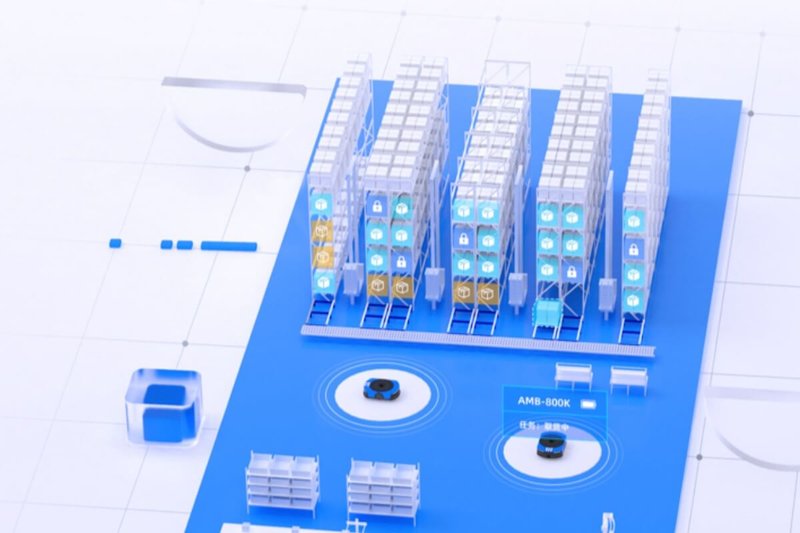
So why do many operations still lean on rigid PLC ladders, siloed WMS/WCS, and slow batch updates? Because they once worked “well enough.” But “well enough” breaks when order lines spike, SKU velocity shifts hourly, and returns explode. Latency creeps in. Throughput flattens at the worst moment. Your operators feel it first (they always do). Then it hits your customers. The question is simple: do you control the flow, or does the flow control you? Let’s unpack where the old way breaks down—then map a better path forward.
The Hidden Costs: Where Traditional Systems Fail
What’s failing in legacy WMS/WCS?
Here’s the technical snag. Traditional stacks split duties across WMS, WCS, and PLCs. Each layer polls, batches, and waits. That creates blind spots and delay. There’s little sensor fusion, so routing ignores live congestion. No digital twin, so planners guess instead of simulate. And when demand shifts mid-hour, static rules can’t re-balance lines without manual overrides. Look, it’s simpler than you think: the architecture—not just the hardware—limits flow. A purpose-built orchestration layer—true warehouse automation software—sits above devices as real-time middleware. It listens to events, uses lightweight APIs, coordinates AMR fleets, and pushes decisions to edge computing nodes to cut latency on the floor.
Hidden pains follow from that old design. Vendor change requests slow every tweak—days lost. Cross-vendor handoffs lack a shared event model, so errors hide between systems—funny how that works, right? Operators can’t see root causes fast, which drags MTTR. ROS-based robots, PLCs, and scanners speak different dialects without a unifying message bus. The result is brittle flow, higher mis-picks, and recurring fire drills. When volatility hits, control logic should adapt in seconds. Instead, it stalls. And people end up babysitting machines when machines should be helping people.
What’s Next: From Orchestration to Autonomy
Real-world Impact
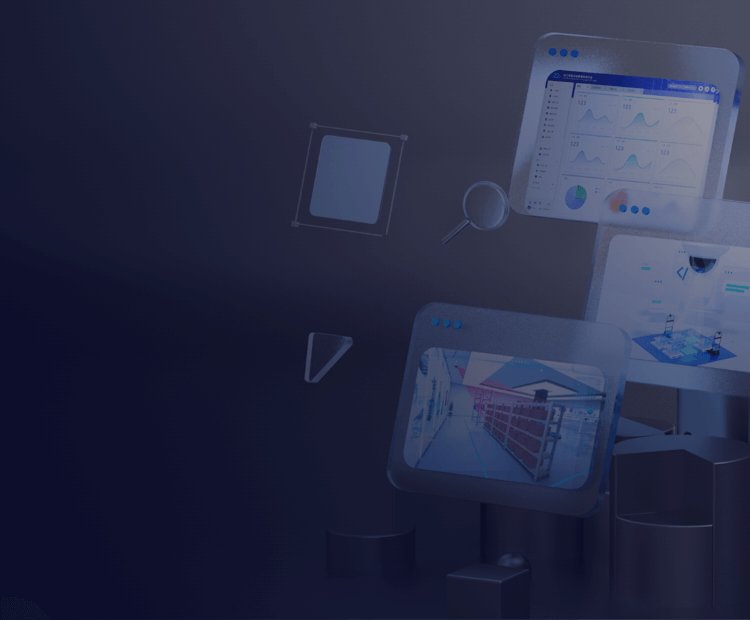
Forward-looking sites build around new technology principles: event-driven control, stateful digital twins, and constraint-based planners that rebalance work on the fly. The goal isn’t more dashboards—it’s decisions with context. A modern warehouse automation software layer models every tote, task, and robot as live entities. It listens to LiDAR cues, RTLS beacons, and machine vision hints to anticipate choke points before they form. Then it re-routes. It shifts AMR missions. It throttles induction. And it does this with low-latency loops at the edge, not after a batch cycle. Semi-autonomous orchestration becomes your safety net and your lever—funny how the same system can prevent jams and raise throughput.
Here’s how to choose well without the buzzwords. Use three metrics that travel: 1) Adaptation speed—how many hours to model and deploy a new flow or station type; 2) Decision latency—end-to-end time from event to action in milliseconds across the API and edge path; 3) Peak stability—p95 orders per hour sustained under stress without manual overrides. If a platform can validate changes in a digital twin first, then enforce them via a unified event bus, you’ll feel it on the floor in fewer touches and steadier lines. Evaluate with real data, a live pilot, and operator feedback. Keep what shrinks MTTR and grows flow, drop what adds drag. Knowledge stacks win. So do teams that iterate fast with strong partners like SEER Robotics.